Moving Tests Upstream
By adding automated testing earlier throughout the build process, cable and harness manufacturers can find errors sooner; this saves time, money, and provides a competitive advantage.
Rising expectations in the cable/harness industry demand that manufacturers build more complex assemblies in less time. Accomplishing this feat means manufacturers must re-evaluate their processes. How can shops produce more cables more quickly? What tools could help eliminate wasted time and money? How can complex harnesses be built with fewer errors?
Most cable/harness shops have practices set in place to guarantee the quality of their products before shipping. This likely includes a series of tests to check for functionality and accuracy. The problem is that many shops wait until after a cable is complete before testing. Then if mistakes are found, manufacturers must dismantle the cable to locate and repair the errors or even scrap the cable and start over. By the time the cable is ready to ship a second time the manufacturer has wasted time and money redoing work that was already paid for. We’ll call this type of process the downstream process.
In the downstream process testing is held off until the end of building after all of the value has been added to the materials. Finding a mistake at that point could mean precious minutes or hours of lost labour. Imagine the time wasted in shops that build complex harnesses containing hundreds of wires and connectors that can take hours or days to build. Think of the cost for those that manufacture thousands of the same types of cables every day. If an early prevention method existed to stop waste from occurring, the savings in time and money would likely pay for changes to the process.
When to Test
Look at your current process. Is there a better way to build a cable or harness that would allow you to perform testing earlier? Could you test sub-assemblies before connecting them to the rest of the harness? Could you test assemblies before connector shells are fully assembled or moulded? The upstream process means you look for ways to find errors sooner, possibly by testing earlier and using equipment that can make your process quicker and more accurate.
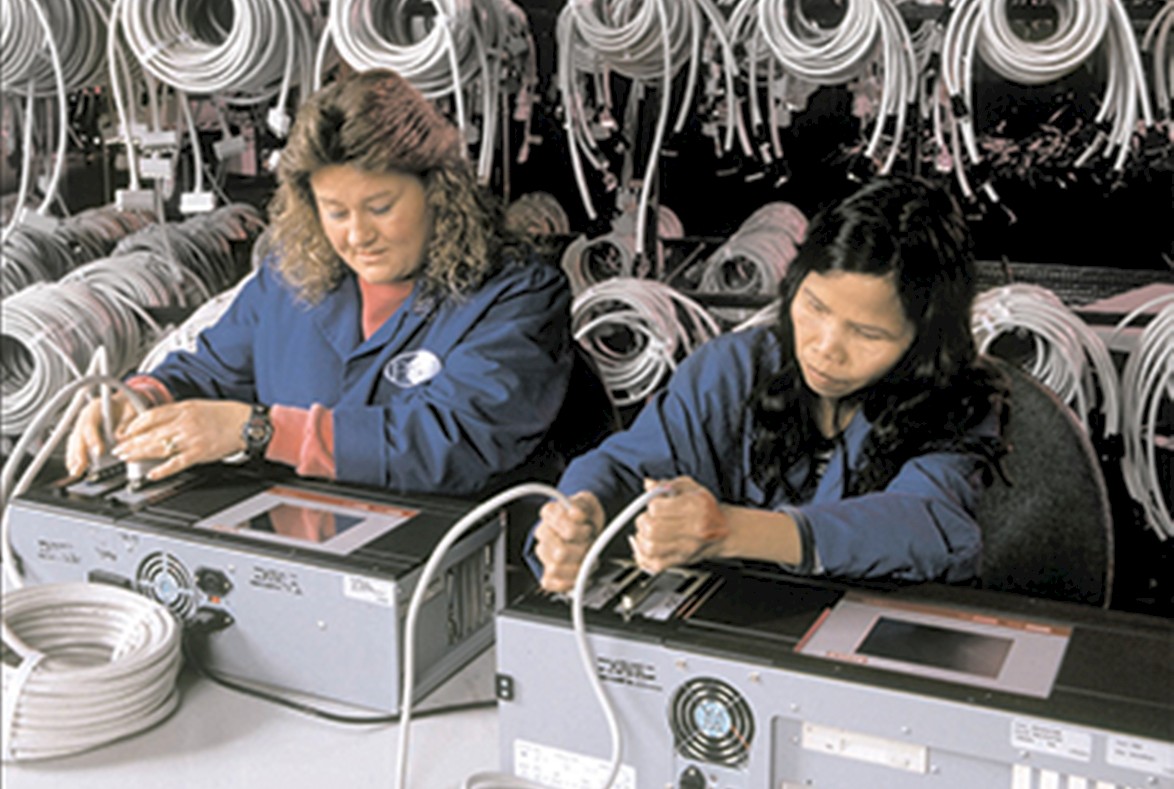
One way to implement the upstream process is to use smaller, low voltage testers at each line or work station to help during the initial build. Depending on brand and capabilities, the tester can guide the manufacturer through the assembly process, testing each wire and connection as it is being built. When the cable is finished there is no doubt about its functionality, especially since it can be documented by the tester.
The Right Tools for the Process
Upstreaming your process can be achieved by adding automated cable testers which will give access to printed reports which allowed you to validate your process and quality to customers. The time and money saved by making this change to your process can give you the competitive edge, and the reports give the end customer even more confidence in your capabilities.
The Right Time for the Process
The further downstream the process you wait to test, the more a mistake will cost. If you can find a way to test the cable/harness as it is being built, perhaps by testing wires and sub-assemblies, you can know that most if not all of the assembly is good before you even perform the final test.
This ideal solution of testing during the build process can be made possible by using smaller, less expensive test units. If each build station includes one of these low cost test units, manufacturers can perform multiple tests at once. Each builder can test with the ability to find and fix any errors while they are still holding the wire in their hand and before anymore value is added. Some customers require a more expensive and strenuous final test. This usually involves high voltage testing which can be performed with the confidence knowing that it will pass the connectivity portion of the test.
The Right Process for You
You need to decide if you would rather prevent problems or repair them later.
The suggestions provided in this article may not be ideal for every situation. No matter what your circumstances will allow, try to find ways of moving tests upstream. Evaluate your build instructions to find sub-assemblies that can be tested earlier. Bring automated testers into your process to test assemblies sooner. Create a dialogue within your business about how you can save time and money while improving quality. This is all part of moving tests upstream.